Sustainable Meal Planning
Published in February 2026
Understanding Meal Planning Principles
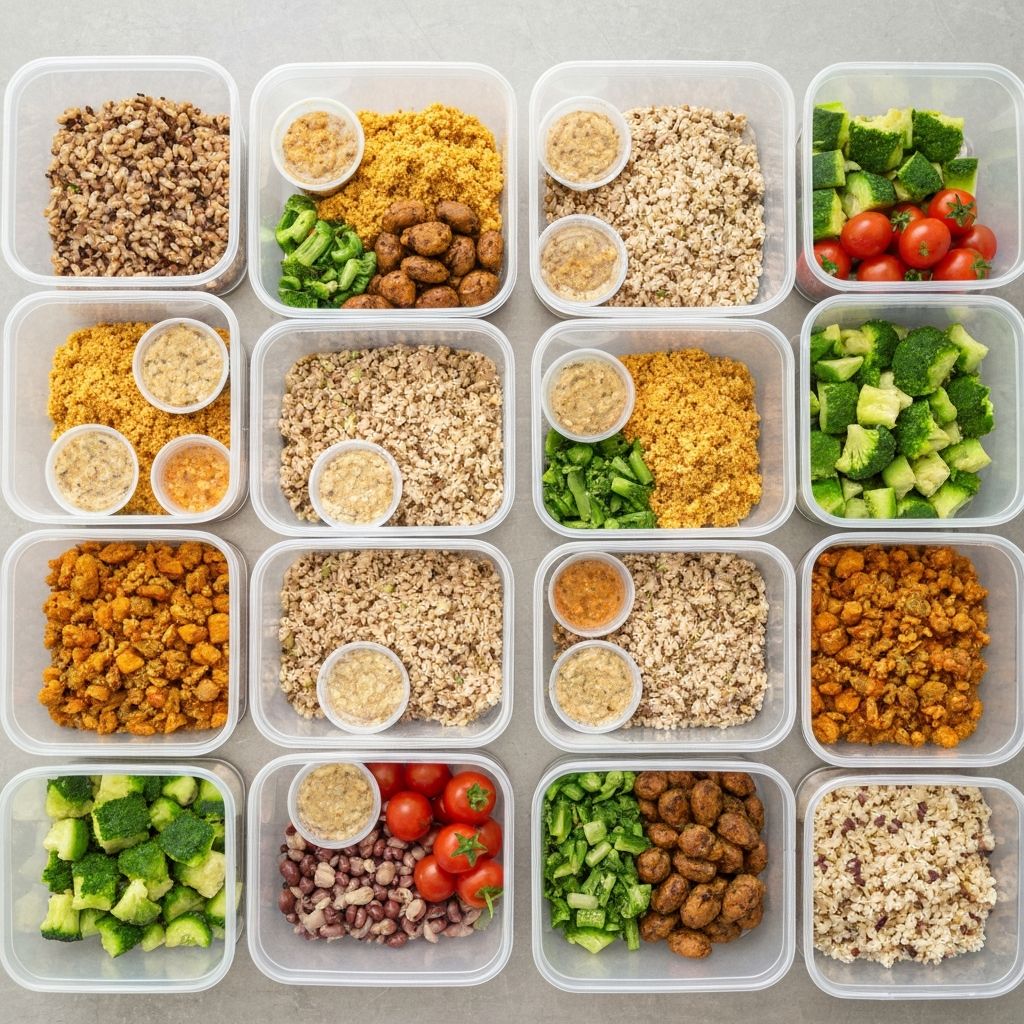
Meal planning represents an organizational approach to preparing balanced daily meals. From an educational perspective, this practice involves considering various factors including nutritional diversity, ingredient availability, and preparation time throughout the week.
Research in food systems suggests that organized meal planning can relate to reduced food waste, as individuals who plan their meals in advance often purchase ingredients with specific uses in mind. This educational concept connects to broader sustainability principles regarding resource efficiency.
Components of Balanced Meal Planning
Educational frameworks for nutrition typically describe balanced meals as including diverse food groups. These commonly encompass vegetables, fruits, whole grains, protein sources, and healthy fats distributed throughout daily eating patterns.
The concept of balance in meal planning does not prescribe specific proportions for all individuals, as nutritional needs vary based on numerous personal factors. Instead, educational resources explain general principles that can inform individual understanding of diverse dietary patterns.
Seasonal Ingredient Awareness
Incorporating seasonal awareness into meal planning involves understanding which produce items naturally grow during different times of the year in specific regions. Seasonal produce often requires fewer resources for cultivation and transportation, according to agricultural research.
Educational content about seasonal eating typically explains how local growing seasons influence ingredient availability and variety throughout the calendar year. This information helps contextualize the relationship between food choices and environmental considerations.
Planning for Nutritional Diversity
Nutritional diversity refers to the inclusion of various food types and sources within eating patterns. Educational research indicates that diverse diets typically provide a broader range of essential nutrients compared to limited dietary patterns.
From a meal planning perspective, diversity might involve rotating different vegetables, grains, and protein sources throughout the week. This approach exposes individuals to varied nutrients and flavors while supporting sustainable food system practices through demand for diverse crops.
Practical Meal Planning Concepts
Educational approaches to meal planning often describe organizational strategies that some individuals find helpful. These concepts include batch cooking, where larger quantities of certain foods are prepared for use in multiple meals, and ingredient overlap, where purchased items serve multiple recipes throughout the week.
Such strategies relate to sustainability through potential reduction of unused ingredients and optimization of cooking energy use. However, the effectiveness and applicability of these approaches vary significantly among individuals and households.
Storage and Preservation
Understanding food storage principles contributes to meal planning effectiveness. Proper storage extends ingredient freshness and usability, which relates to reduced waste. Educational information about storage includes temperature requirements, container types, and typical storage durations for different food categories.
Preservation methods such as freezing, drying, and fermenting represent additional concepts in sustainable meal planning. These techniques allow individuals to extend the usability of seasonal produce and reduce reliance on imported or out-of-season ingredients.
Environmental Context of Meal Planning
The environmental dimension of meal planning relates to how food choices influence resource use and ecological impact. Research indicates that plant-based ingredients generally require less land, water, and energy compared to animal products, though specific impacts vary based on production methods and transportation.
Educational content explaining these relationships helps individuals understand the broader context of their food choices without prescribing specific dietary patterns. The goal is to provide information that contextualizes the environmental aspects of different eating approaches.
Limitations and Individual Context
Important Context: This article provides educational information about meal planning concepts. It does not constitute individual dietary advice or personalized nutrition recommendations. Meal planning approaches vary significantly based on personal circumstances, preferences, cultural practices, and specific nutritional needs. For individualized guidance, consult qualified nutrition professionals.
Meal planning practices and priorities differ widely among individuals and communities. Factors including available time, cooking skills, access to ingredients, cultural food traditions, and personal preferences all influence how people approach meal preparation.
This educational resource presents general principles and contextual information rather than universal prescriptions. The information aims to enhance understanding of concepts related to sustainable meal planning without suggesting that specific approaches are appropriate for all individuals.
Further Educational Exploration
Understanding meal planning within the context of sustainable eating represents just one aspect of broader food system education. Related topics include agricultural practices, food distribution systems, nutritional science, and environmental impact assessment methodologies.
Continued education in these areas helps build comprehensive understanding of how food choices relate to both personal nutrition and environmental sustainability. Such knowledge supports informed decision-making based on individual values and circumstances.