Ecological Food Choices
Published in February 2026
Understanding Food Systems and Environmental Impact
Food production systems worldwide vary significantly in their environmental footprints. Educational research examines multiple dimensions of this impact, including land use, water consumption, greenhouse gas emissions, and effects on biodiversity. Understanding these relationships provides context for discussions about sustainable eating.
Different agricultural methods produce varying environmental outcomes. Intensive conventional farming, organic agriculture, regenerative practices, and traditional farming approaches each relate differently to soil health, water systems, and local ecosystems. This diversity reflects the complexity of food production and its environmental context.
Plant-Based and Animal-Based Foods
Scientific research consistently indicates that plant-based foods generally require fewer natural resources compared to animal products. This general pattern relates to the energy conversion efficiency in food chains, where direct consumption of plant foods bypasses the resource inputs needed for animal agriculture.
However, this broad principle contains significant variation. Specific production methods, geographic location, transportation distance, and seasonal factors all influence the environmental impact of individual food items. Educational understanding requires considering these complexities rather than applying oversimplified generalizations.
Resource Use Comparisons
Research comparing resource requirements across food categories typically measures factors including water consumption, land area, and energy inputs per unit of nutrition provided. These studies generally show that vegetables, grains, and legumes require substantially less water and land compared to meat and dairy products.
For example, producing protein from legumes typically uses less water and land than producing equivalent protein from livestock. These educational findings help contextualize the environmental dimension of different dietary patterns, though they do not prescribe specific choices for individuals.
Local and Seasonal Considerations
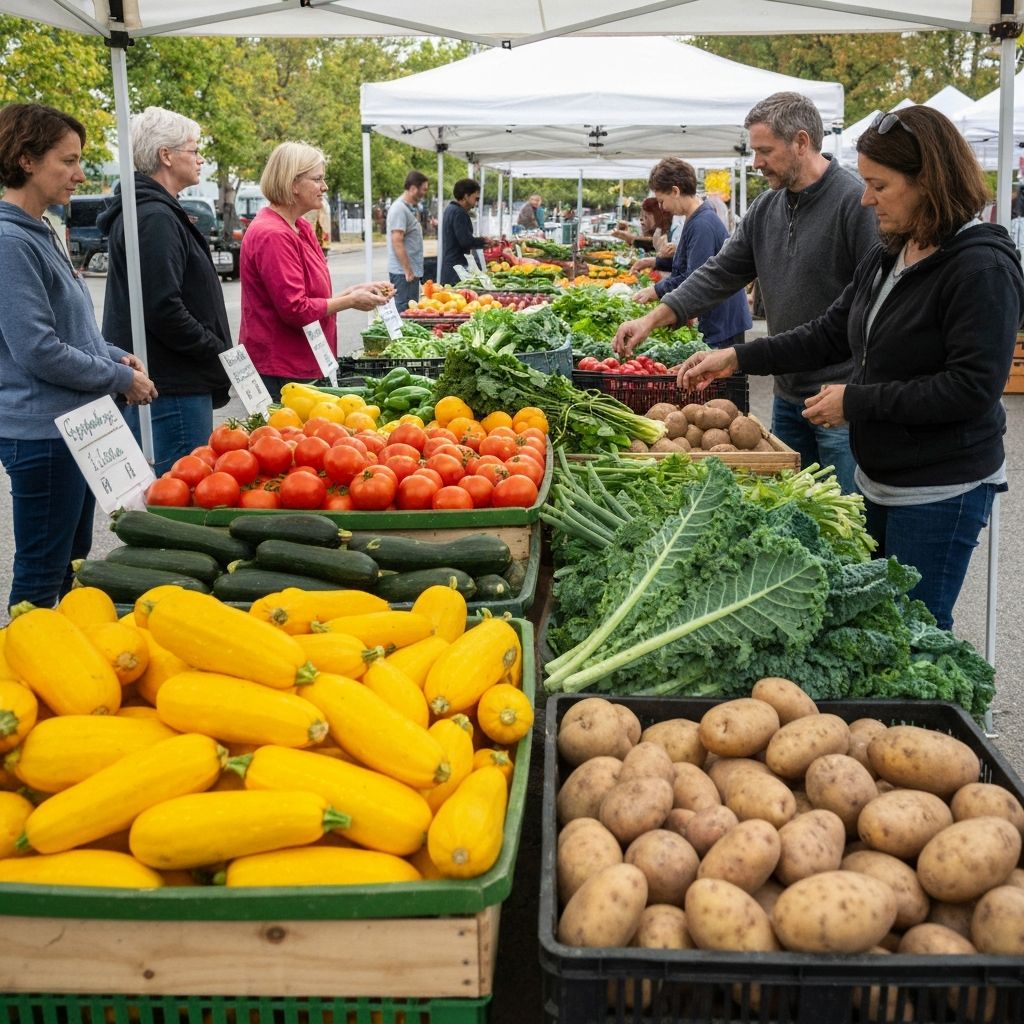
The concept of local food relates to geographic proximity between food production and consumption. Shorter distances generally mean reduced transportation-related emissions and energy use. However, the environmental benefit of local sourcing depends on production methods, as locally grown foods using resource-intensive techniques may have larger overall footprints than efficiently produced distant alternatives.
Seasonal eating involves consuming foods during their natural growing periods in specific regions. This practice typically reduces the need for energy-intensive greenhouse cultivation or long-distance transport of out-of-season produce. Educational information about seasonal availability helps individuals understand when different foods naturally grow in their regions.
Food Transportation Networks
Modern food systems involve complex transportation networks spanning global distances. The environmental impact of food transport depends on multiple factors including distance, transportation method, and the perishability of items. Air freight generates substantially higher emissions compared to sea or land transport per unit of food moved.
Educational research indicates that while transportation contributes to food system emissions, production methods often account for larger portions of total environmental impact for many foods. This contextual understanding helps frame realistic perspectives on the relative importance of different sustainability factors.
Organic and Conventional Production
Organic agriculture prohibits synthetic pesticides and fertilizers, relying instead on natural pest management and soil fertility building. From an environmental perspective, organic farming typically supports greater biodiversity and soil health compared to conventional intensive methods. However, organic production sometimes requires more land area for equivalent yields.
The environmental comparison between organic and conventional agriculture involves trade-offs rather than clear superiority of one approach. Educational content explaining these nuances helps individuals understand the complexity of food production choices and their varied environmental relationships.
Food Waste and Resource Efficiency
Approximately one-third of food produced globally goes to waste, according to international research organizations. This waste represents not only lost nutrition but also wasted water, land, energy, and other resources invested in production. Reducing food waste therefore relates directly to improving the overall efficiency of food systems.
Food waste occurs at multiple stages including production, distribution, retail, and household consumption. Educational understanding of these waste patterns helps contextualize individual actions within broader system dynamics. Household-level awareness about storage, portion sizes, and creative use of ingredients relates to personal contributions to waste reduction.
Dietary Patterns and Environmental Context
Research examining different dietary patterns finds that diets emphasizing plant foods generally associate with lower environmental impacts compared to meat-heavy patterns. Studies modeling the environmental effects of various eating approaches consistently show this relationship across different impact categories.
Mediterranean, vegetarian, and vegan dietary patterns typically show lower resource requirements and emissions compared to Western diets high in animal products. However, these findings describe general patterns rather than universal rules, as specific food choices within any dietary pattern significantly influence actual environmental impacts.
Limitations and Contextual Understanding
Important Context: This article provides educational information about environmental aspects of food choices. It does not offer individual dietary recommendations or suggest that specific eating patterns are appropriate for all people. Food choices involve numerous personal, cultural, nutritional, and practical considerations beyond environmental factors. For individualized dietary guidance, consult qualified professionals.
The environmental sustainability of food choices represents one dimension among many that individuals consider in their eating decisions. Personal health needs, cultural traditions, food preferences, accessibility, economic factors, and ethical perspectives all legitimately influence dietary patterns.
This educational resource aims to enhance understanding of environmental relationships without prescribing universal approaches. The information supports informed decision-making while recognizing the diverse contexts and priorities that shape individual food choices.
Continuing Education
Understanding the ecological dimensions of food choices involves ongoing learning as research continues to refine knowledge about food systems and environmental impacts. New agricultural methods, changing climate conditions, and evolving food technologies all influence the sustainability landscape.
Educational engagement with these topics supports development of informed perspectives that can adapt to new information and changing circumstances. Such understanding complements other aspects of food literacy including nutrition, cooking skills, and cultural food knowledge.