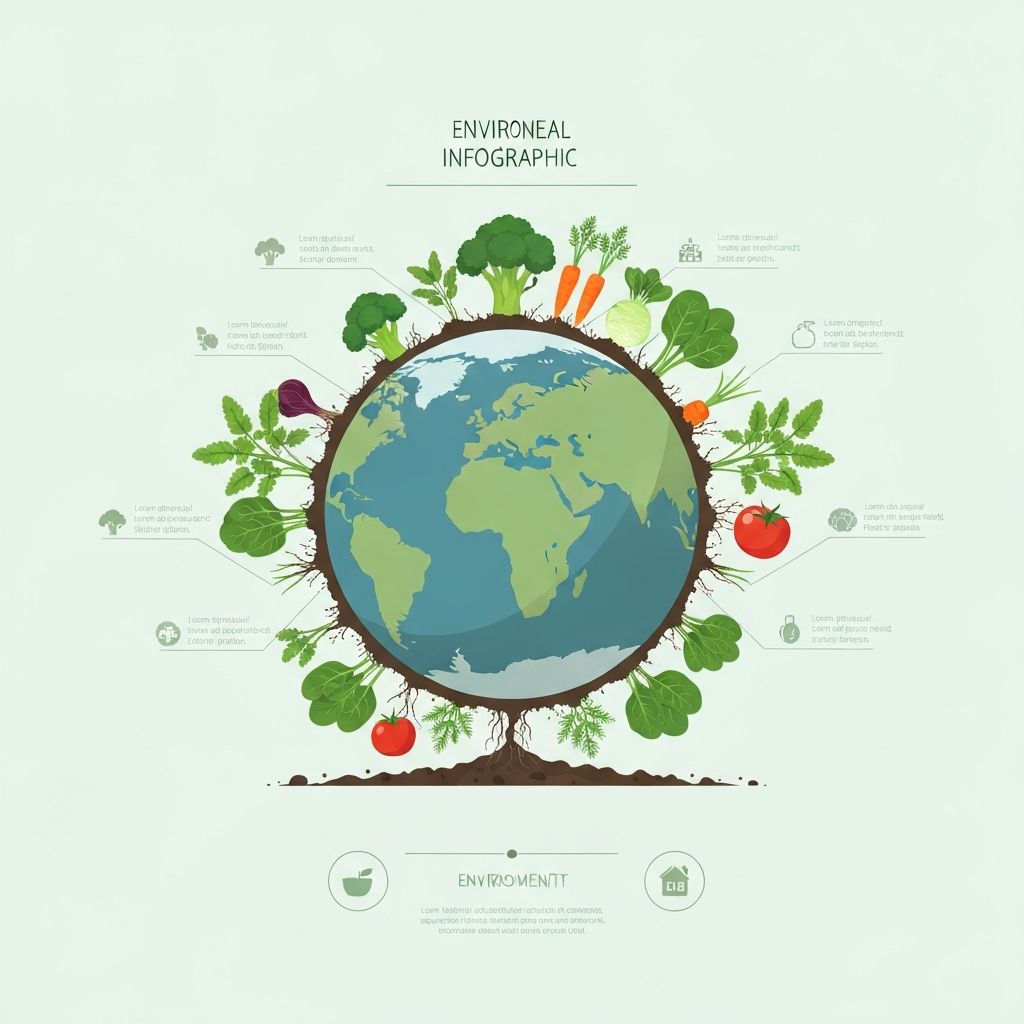
Exploring principles of eco-friendly food choices and balanced daily meals
Learn moreSustainable eating represents an educational approach to understanding how food choices relate to environmental impact and daily nutrition patterns. This informational resource explores the general principles behind eco-friendly food systems and balanced meal planning without providing individual recommendations.
The concept encompasses various aspects including seasonal produce selection, understanding food origins, and recognizing the broader ecological context of dietary patterns observed in different communities worldwide.

Different food production methods and dietary patterns have varying relationships with environmental factors such as land use, water consumption, and carbon footprint. Educational research indicates that plant-based foods generally require fewer natural resources compared to animal products.
Understanding these relationships helps contextualize the broader discussion about food systems sustainability. Local and seasonal produce often involves shorter transportation distances, which relates to reduced environmental impact in supply chains.
Educational frameworks suggest that balanced eating patterns typically include vegetables, fruits, whole grains, legumes, and varied protein sources distributed throughout daily meals.
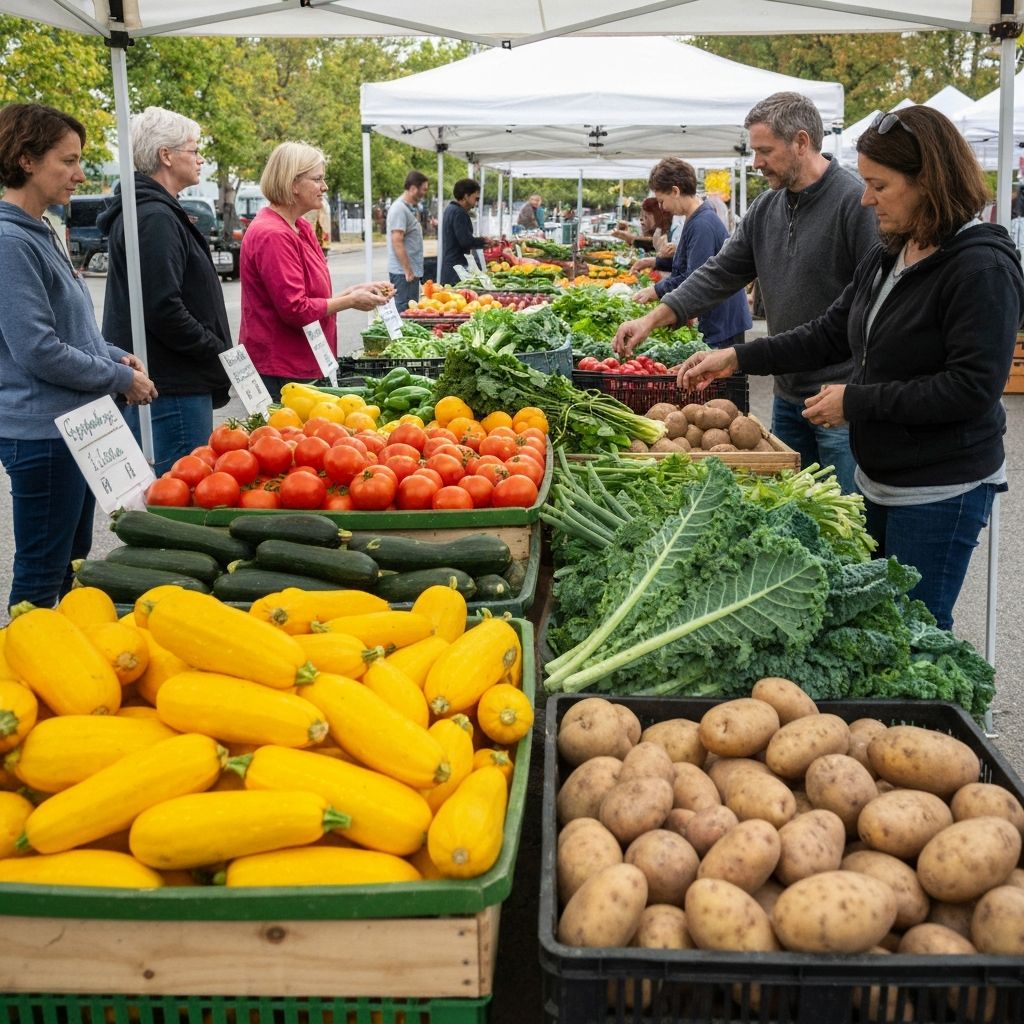
Seasonal produce availability varies throughout the year, influencing the diversity of ingredients accessible in different regions and time periods.
Planning ahead for meal preparation can facilitate the incorporation of diverse ingredients and support organized approaches to daily eating routines.
Integrating sustainability principles into daily life involves understanding various approaches to food selection, storage, and preparation. These educational concepts help contextualize how different communities approach eco-friendly eating.
Exploring the educational principles behind organized approaches to balanced daily eating routines.
Read in detail
Understanding the environmental context of different dietary patterns and food production systems.
Explore further
Educational insights into incorporating eco-friendly principles into everyday eating habits.
Learn moreSustainable eating refers to food choices and dietary patterns that consider environmental impact, including factors like resource use, carbon footprint, and ecological sustainability of food production systems.
Different foods require varying amounts of natural resources for production. Plant-based foods generally require less land, water, and energy compared to animal products, according to educational research on food systems.
Seasonal foods are produce items that naturally grow and ripen during specific times of the year in particular geographic regions. These foods often require less artificial intervention for cultivation.
No. This is an educational resource providing general information about sustainable eating concepts. It does not offer individual dietary recommendations or replace personal nutritional guidance.
This website provides informational content about sustainable eating routines for educational purposes. All content explains general concepts and does not constitute individual advice or recommendations.
Educational content only. No medical services. No promises of outcomes.